


東山堂 煎茶器店
Bizen ware Ichiro Mori studio Kiln Change Teacup B 50ml
Bizen ware Ichiro Mori studio Kiln Change Teacup B 50ml
Bizen ware Mori Ichiro studio kiln-change (yohen) teacup. It's a size commonly used for Chinese and Taiwanese teas.
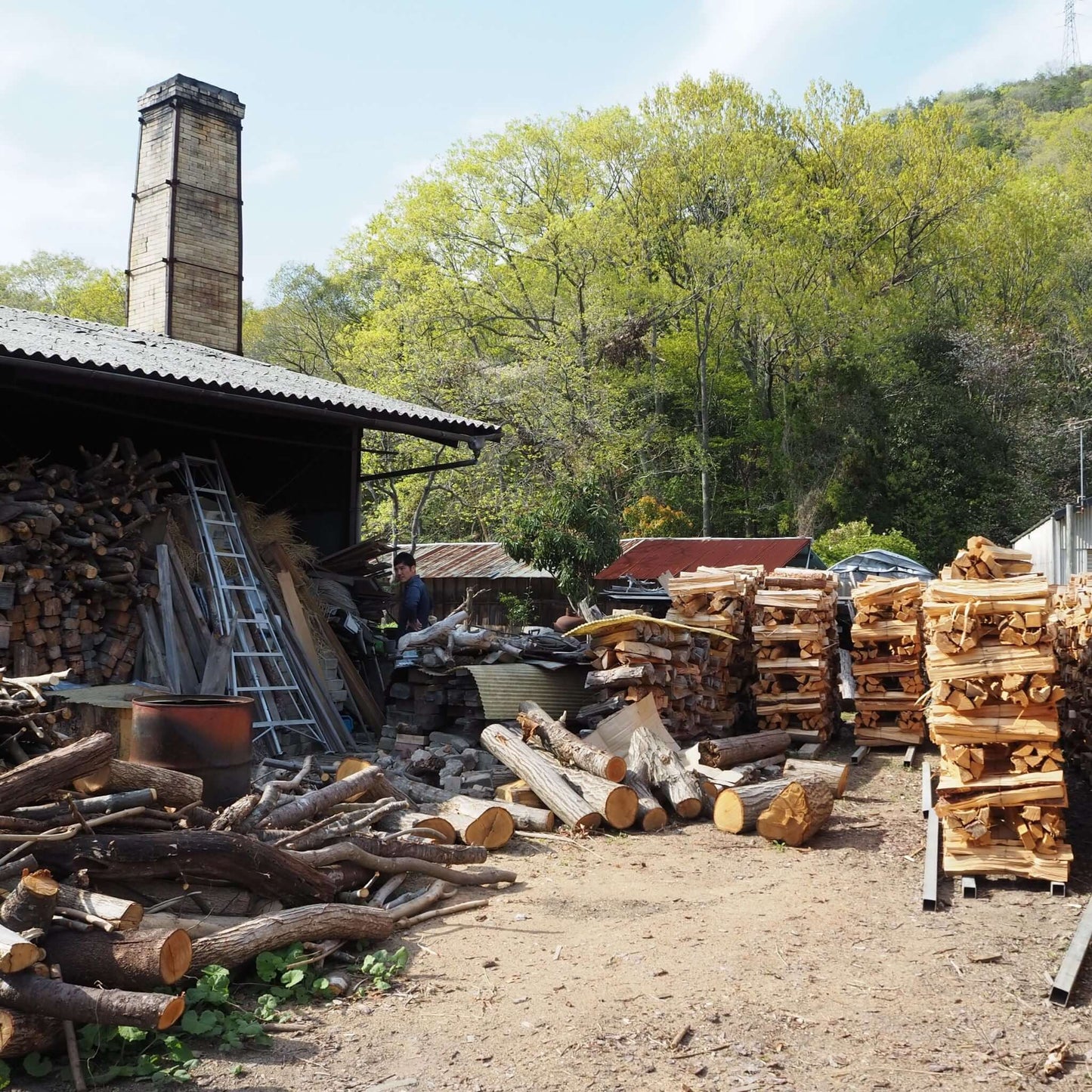
The defining characteristics of Bizen ware are that it is fired without glaze, and that the patterns are beautiful, highlighting the natural texture of the clay. Bizen ware is fired in a wood-fired kiln. The fuel is mainly pine wood, and the firing process takes about two weeks.
Having majored in sculpture, Mr. Mori possesses exceptional sculptural skills, creating both beautiful and powerful forms. He explores new styles of Bizen ware while remaining rooted in tradition.。
(Brief biography of Ichiro Mori)
1981Born into the Mori family, one of the six prominent families of Bizen ware potters.
2008Graduated from the Department of Sculpture, Graduate School of Fine Arts, Tokyo University of the Arts.
2009yearDrift Wood Sculpture Festival (Taipei/Taiwan)
2011Year of carving 575/(Taipei/Taiwan)
2015yearTHE POWER OF BIZEN (Daiwa Anglo-Japanese Foundation,Kigboate studio&gallery/UK)
Bizen ware is pottery expressed through clay and fire. In Bizen ware, clay preparation is considered such an important process that it is said to account for more than half of the work. Bizen has clays of various colors and properties.potterThey search for the right clay for their work. The ceramic artists themselves dig up soil in the mountains, leave it for several months, remove stones and leaves, and create the clay suitable for their creations.
Bizen ware is characterized by its coarse clay particles, which give the pottery a distinct texture. Bizen ware does not feature painted designs. Bizen ware is known for its kiln-fired variations.HidasukiTraditional techniques such as sankiri and goma are employed, and the combination of these techniques and the changing flow of flames inside the kiln creates a variety of patterns on the pottery.
The way the flames hit the pottery varies depending on where it is placed inside the kiln, such as near the entrance, in a high place, or near a corner. Each piece is created by leaving it to the natural process of fire, and no two pieces are exactly alike.
When firing a kiln, the pottery placed closest to the entrance is subjected to the strongest flames, creating kiln-fired pieces. Ash swirling inside the wood-fired kiln settles on the pottery, and the melted ash becomes a natural glaze. Because the pieces are exposed to such strong flames, they are prone to warping and cracking, so successful firing is rare.
This piece evokes the raw, powerful flames of a wood-fired kiln. While some aspects of the kiln transformation are left to chance, the pottery aims to invite wonderful coincidences.potterWe prepare and devise solutions.
Pottery is characterized by its warm, earthy texture, giving it a natural feel. Bizen ware, in particular, evokes a sense of nature through the interplay of earth and fire. This teacup, a fusion of Chinese tea culture and Bizen clay, is designed for Chinese and Taiwanese teas.
Potter: ICHIRO MORI studio work
Firing: Wood-fired kiln
Size: Diameter 6.5cm, Height 4cm
Capacity: 50ml full, 30ml usable
Weight: Approximately 50g
Packaging: Paulownia wood box
remarks:
*Bizen ware
Bizen ware is pottery made in Bizen City, Okayama Prefecture. Production of Bizen ware began around the end of the Heian period, about 800 years ago.1200~1300Fired at high temperatures of ℃, Bizen ware is sturdy, and initially, many jars and pots were made from it. Bizen ware's unique clay texture was favored by tea masters, and many ceramics for the tea ceremony began to be produced.
Bizen ware became deeply associated with the tea ceremony during the Muromachi period (1500s), when tea culture flourished. Tea masters such as Sen no Rikyu rejected extravagant decoration and found the beauty of "wabi-sabi" in the simple texture of the clay and the natural scenery created by the fire. The appearance of Bizen ware, which is fired using only clay and fire without the use of glaze, is the very essence of the "natural" beauty that the tea ceremony idealizes.
The fact that numerous tea ceremony utensils, such as tea bowls, water pitchers, and flower vases, have been made from Bizen ware is due to this spiritual resonance. Bizen ware, which deepens in color the more it is used and offers the pleasure of nurturing, was not merely a tool for tea masters, but a companion that they nurtured over time.
This teacup, too, is a unique piece that stands as a testament to its long history. It was created as a vessel that enriches daily tea time, born from the fusion of Chinese and Taiwanese tea culture with Bizen clay.
Couldn't load pickup availability
Low stock: 1 left
View full details


FAQ
Which type of of tea can I brew with the teapot?
It can be used for any type of tea. However, unglazed pottery is more likely to absorb the flavor of the tea leaves. By using different tea utensils for each type of tea, you can enjoy the flavor of the tea to the fullest.
For example, in the case of Japanese tea, sencha, fukamushicha, genmaicha, and gyokuro are all in the same family, but since hojicha has a strong roasted aroma, we recommend using a different tea utensil.
However, glazed pottery or porcelain tea utensils do not absorb the flavor of the tea leaves, so they are suitable for brewing various types of tea.
How do you wash a teapot?
Please wash the teapot with water, without using detergent. Ceramic teapots easily absorb detergent ingredients, which can affect the flavor of the tea.
Tea leaves remaining in the teapot are the main cause of tea stains. After brewing tea, we recommend removing the tea leaves once they have cooled and rinsing them with water.
Moisture remaining in the teapot can cause mold. Turning the teapot upside down will help it dry faster.
We do not recommend washing it in the dishwasher. Please wash by hand.
Can I remove tea stains from a teapot?
Here's how to remove tea stains.
1. In a bowl or pot, mix 24g of baking soda with 1 liter of water at 30-40°C.
*Do not use aluminum or Teflon-coated pots as they will react with baking soda.
2. Leave the teapot in the water mentioned in step 1 for 30-60 minutes.
3. Wipe off the tea stains with a soft sponge or cotton swab. Do not use hard sponges or brushes.
4. Rinse the teapot with water.
5. Thoroughly dry the teapot.
*Baking soda water may irritate your hands, so wear rubber gloves.
Can I return the product?
We do not accept returns unless the product is damaged when the package arrives.
Each tea utensil is slightly different and may have slight distortions or scratches. Please check the images posted on our online shop in advance.
If you have any questions about the detailed condition of the product, please feel free to contact us. We can send you additional images and videos of the product.
Do you ship internationally?
We can ship to the following countries:
China, Hong Kong, Macau, Taiwan, South Korea, Singapore, Malaysia, Indonesia, Thailand, Vietnam, Philippines
Are the goods antiques or second-hand goods?
All the products in the shop are new. We sell products produced by potters and kilns in Japan.