Skip to product information
1 of 16

東山堂 煎茶器店

Bizen ware Ichiro Mori studio, Ash Kiln Change Teacup B 50ml

Bizen ware Ichiro Mori studio, Ash Kiln Change Teacup B 50ml

Regular price ¥13,200 JPY
Regular price Sale price ¥13,200 JPY
Sale Sold out
Taxes included. Shipping calculated at checkout.
This is a *Kiln-change* (ash-effect kiln transformation) tea cup from the Ichiro Mori Bizen-ware studio. It is sized appropriately for enjoying Chinese or Taiwanese teas.


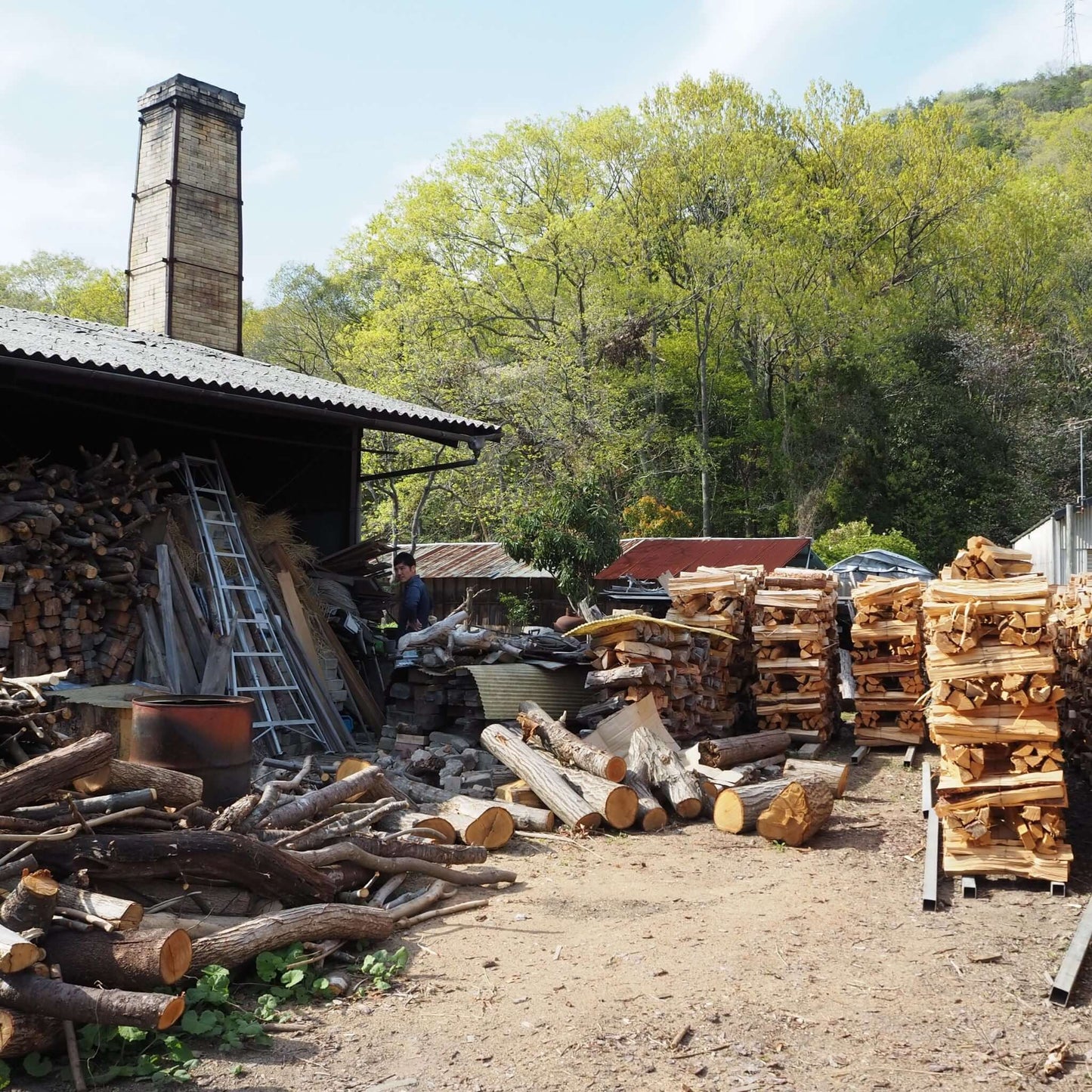
Bizen ware is characterized by its unglazed, high-fired finish and the beauty of patterns that highlight the natural character of the clay. These vessels are fired in wood-burning kilns, primarily using pine wood, over a period of approximately two weeks.

With a background in sculpture, Mr. Mori possesses exceptional formative skills, creating works that are both beautiful and powerful in shape. While rooted in tradition, he actively explores new styles of Bizen ware.

(Brief Biography of Ichiro Mori)

1981: Born into the Mori family, one of the six historic Bizen-ware kiln-owning lineages.

2008: Completed the Sculpture program at the Graduate School of Fine Arts, Tokyo University of the Arts.

2009: Driftwood Sculpture Festival (Taipei, Taiwan)

2011: Sculpture 575 (Taipei, Taiwan)

2015: THE POWER OF BIZEN (Great Britain Sasakawa Foundation, Kigbeare Studio & Gallery, UK)


Bizen ware is an art form expressed through clay and fire. Clay preparation is a crucial process—so much so that it is said to account for more than half of the entire production work. Bizen offers a variety of clays with different colors and properties, and artists seek out the specific clay that best suits their work. Potters often dig the clay from the mountains themselves, let it age for several months, and remove stones and leaves to create the clay body used for their pieces.

Bizen clay has coarse particles, resulting in vessels with a distinctive, tactile clay texture. No painted designs are applied to the surface; instead, patterns emerge through traditional techniques such as *kiln-change* (kiln transformation), *Hidasuki* (fire-cord markings), *Sangiri* (partial reduction/ash-covered effects), and *Goma* (sesame-seed-like ash glaze). These patterns are created by the interplay of these techniques and the shifting flow of flames within the kiln.

The way the flames strike the vessel varies depending on its placement within the kiln—such as near the entrance, in a high position, or near a corner. Created by harnessing the power of fire, no two vessels are ever exactly alike.


These unique *Kiln-change* (kiln-transformed) pieces are born when intense flames strike the vessels placed closest to the kiln's entrance. Ash swirling inside the wood-fired kiln settles onto the pottery, melting to form a natural glaze. Because the flames are so intense, the pieces are prone to warping or cracking, making successful firing a rare occurrence.


These works allow you to feel the raw, powerful energy of the wood-firing process. While the *kiln-change* effects rely partly on chance, the artist prepares and innovates to invite these magnificent, serendipitous outcomes.


Characterized by the warm texture of the clay, these pieces evoke a sense of being true products of nature. Bizen ware allows one to experience the natural elements of earth and fire. This tea cup—designed for Chinese and Taiwanese teas—represents a fusion of that tea culture with Bizen clay.

Potter: Ichiro Mori (Studio Piece)


Firing: Wood-fired kiln

Dimensions: Diameter 6.5 cm, Height 4 cm

Capacity: 50 ml (full); 30 ml (practical use)

Weight: Approx. 50 g

Packaging: Paulownia wood box

Notes:

*Bizen Ware

Bizen ware is a type of pottery produced in Bizen City, Okayama Prefecture. Production began around the end of the Heian period, approximately 800 years ago. Fired at high temperatures of 1,200–1,300°C, the ware is exceptionally durable; consequently, early production focused largely on large jars and storage vessels. Its distinctive clay texture eventually won the favor of tea masters, leading to the creation of many pieces specifically for the tea ceremony.

Bizen ware became deeply intertwined with the tea ceremony during the Muromachi period (16th century), a time when *chanoyu* (tea ceremony) culture flourished. Tea masters, led by Sen no Rikyū, rejected ostentatious ornamentation, finding the aesthetic of *wabi-sabi* in the rustic texture of the clay and the natural patterns born of the kiln's fire. Fired using only clay and flame—without the use of glaze—Bizen ware embodies the very ideal of "natural beauty" cherished in the tea ceremony.

It is this spiritual resonance that led to the creation of so many tea utensils—such as tea bowls, water jars, and flower vases—from Bizen ware. As the color deepens with use, the ware offers the joy of "nurturing" it over time; for tea masters, Bizen ware was not merely a tool, but a companion to be cultivated throughout the years.

This tea cup, too, is a unique piece born of that long tradition. It represents a meeting of Chinese and Taiwanese tea cultures with the clay of Bizen, created to enrich your daily tea-drinking moments.

Low stock: 1 left

View full details

FAQ

Which type of of tea can I brew with the teapot?

It can be used for any type of tea. However, unglazed pottery is more likely to absorb the flavor of the tea leaves. By using different tea utensils for each type of tea, you can enjoy the flavor of the tea to the fullest.

For example, in the case of Japanese tea, sencha, fukamushicha, genmaicha, and gyokuro are all in the same family, but since hojicha has a strong roasted aroma, we recommend using a different tea utensil.

However, glazed pottery or porcelain tea utensils do not absorb the flavor of the tea leaves, so they are suitable for brewing various types of tea.

How do you wash a teapot?

Please wash the teapot with water, without using detergent. Ceramic teapots easily absorb detergent ingredients, which can affect the flavor of the tea.

Tea leaves remaining in the teapot are the main cause of tea stains. After brewing tea, we recommend removing the tea leaves once they have cooled and rinsing them with water.

Moisture remaining in the teapot can cause mold. Turning the teapot upside down will help it dry faster.

We do not recommend washing it in the dishwasher. Please wash by hand.

Can I remove tea stains from a teapot?

Here's how to remove tea stains.

1. In a bowl or pot, mix 24g of baking soda with 1 liter of water at 30-40°C.

*Do not use aluminum or Teflon-coated pots as they will react with baking soda.

2. Leave the teapot in the water mentioned in step 1 for 30-60 minutes.

3. Wipe off the tea stains with a soft sponge or cotton swab. Do not use hard sponges or brushes.

4. Rinse the teapot with water.

5. Thoroughly dry the teapot.

*Baking soda water may irritate your hands, so wear rubber gloves.

Can I return the product?

We do not accept returns unless the product is damaged when the package arrives.

Each tea utensil is slightly different and may have slight distortions or scratches. Please check the images posted on our online shop in advance.

If you have any questions about the detailed condition of the product, please feel free to contact us. We can send you additional images and videos of the product.

Do you ship internationally?

We can ship to the following countries:

China, Hong Kong, Macau, Taiwan, South Korea, Singapore, Malaysia, Indonesia, Thailand, Vietnam, Philippines

Are the goods antiques or second-hand goods?

All the products in the shop are new. We sell products produced by potters and kilns in Japan.